
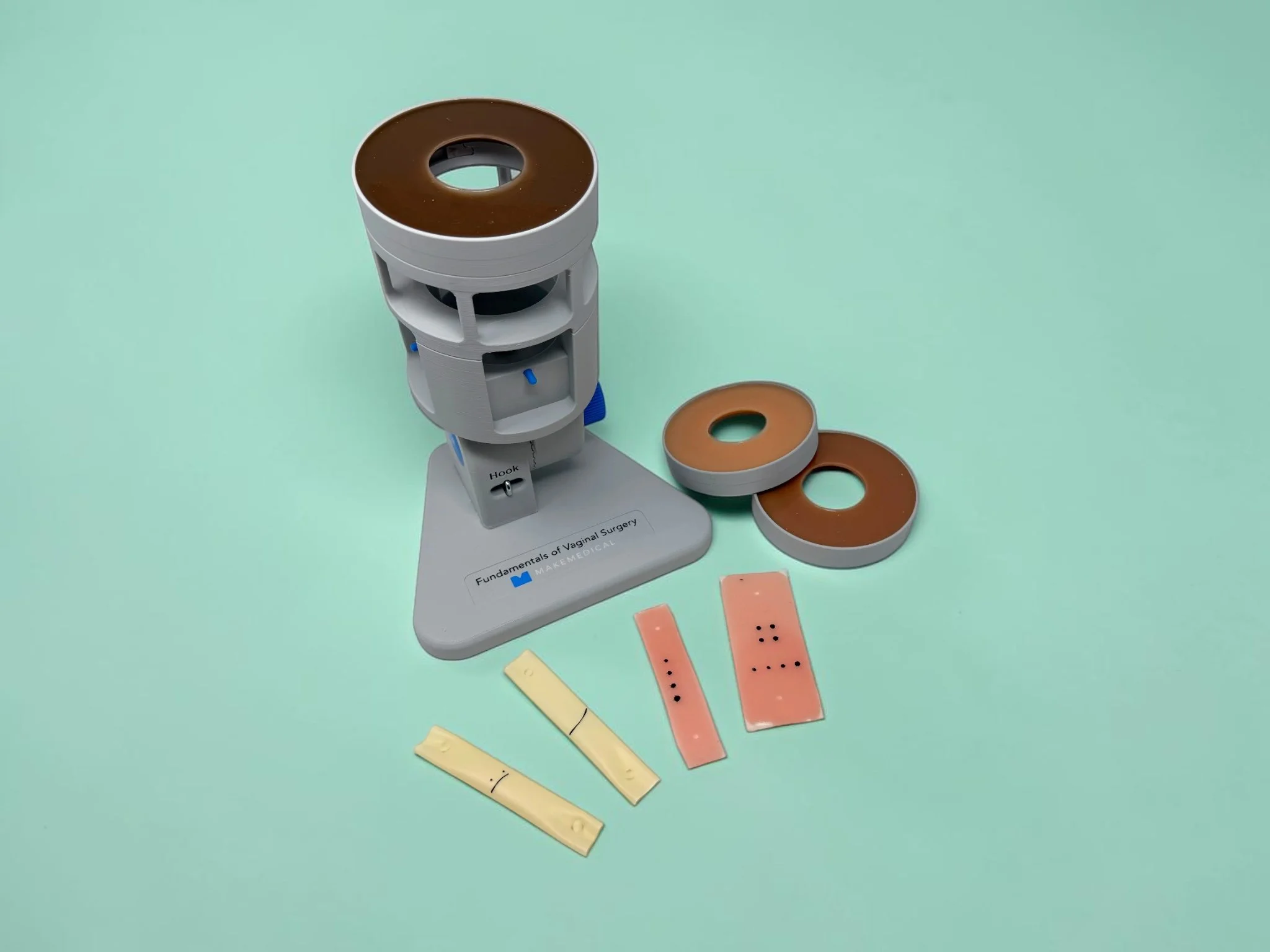
 Image 1 of 11
 Image 2 of 11
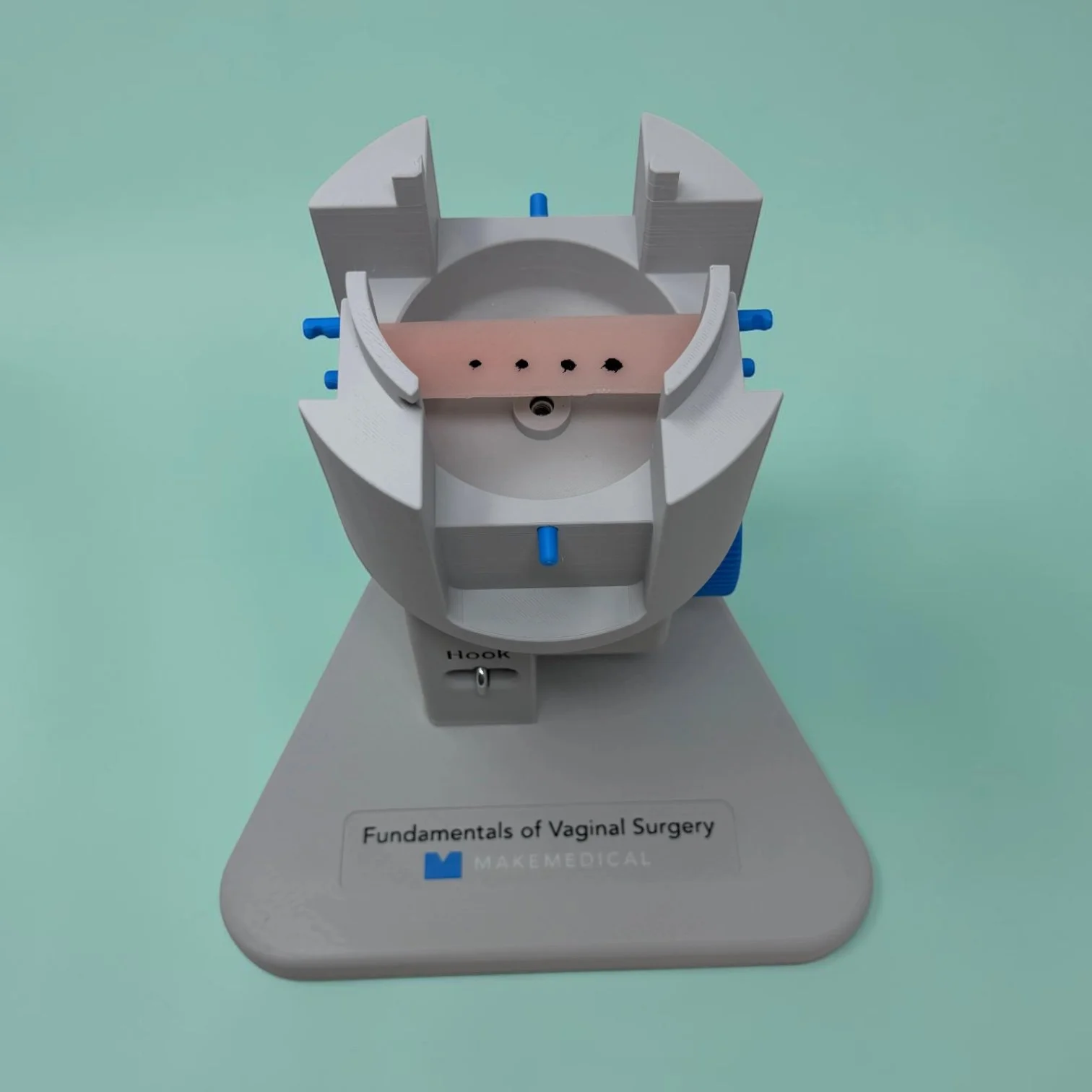 Image 3 of 11
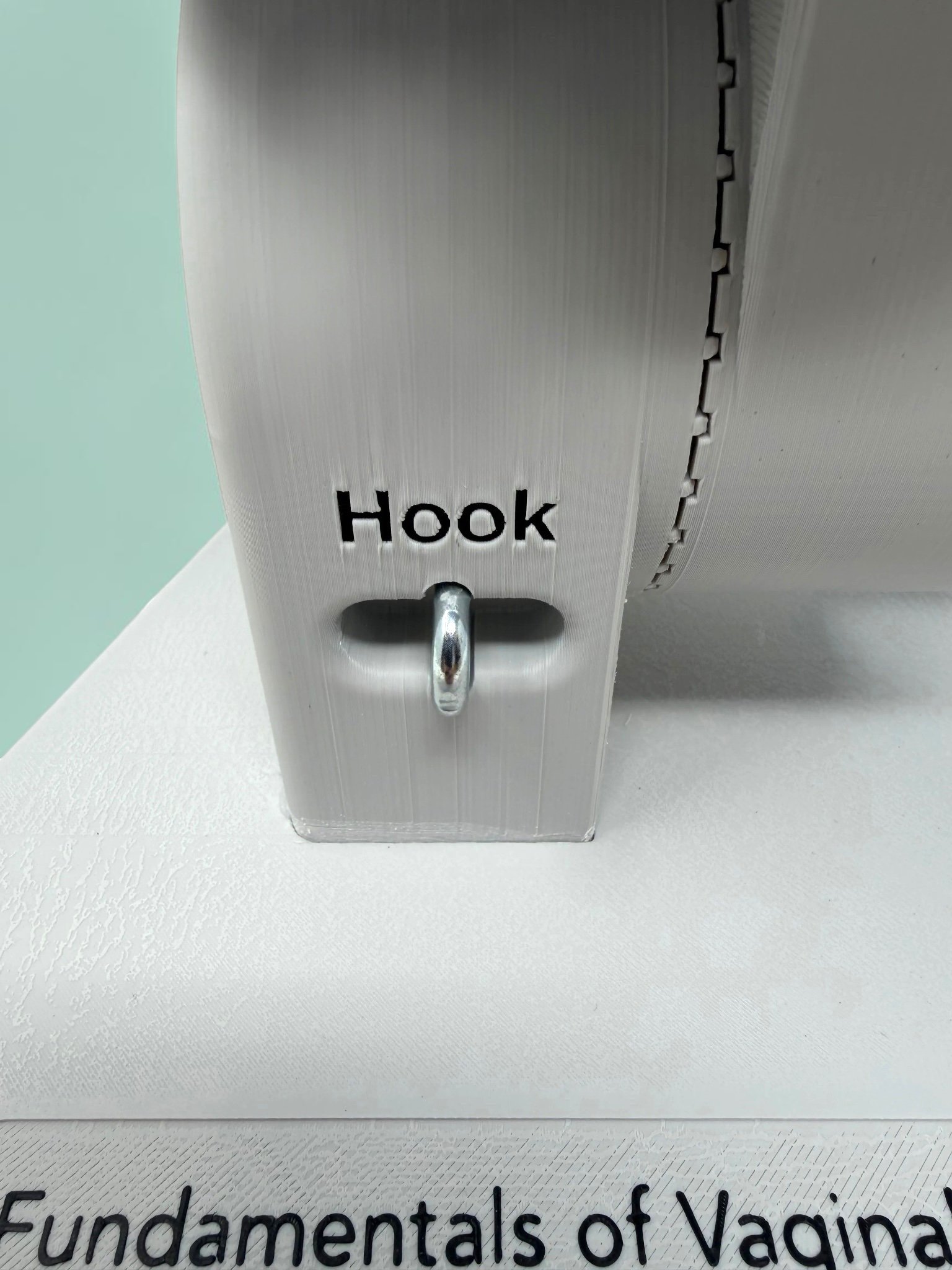 Image 4 of 11
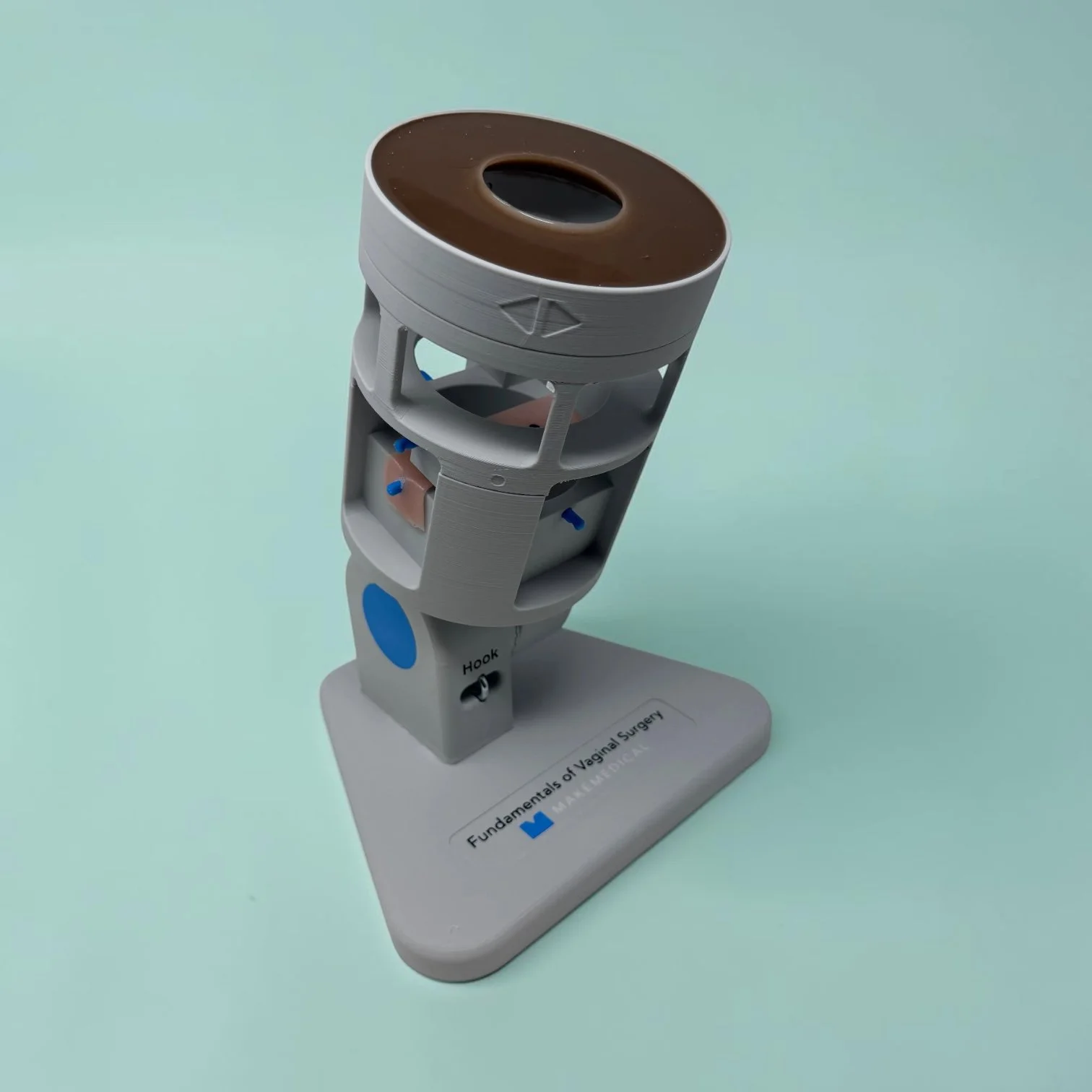 Image 5 of 11
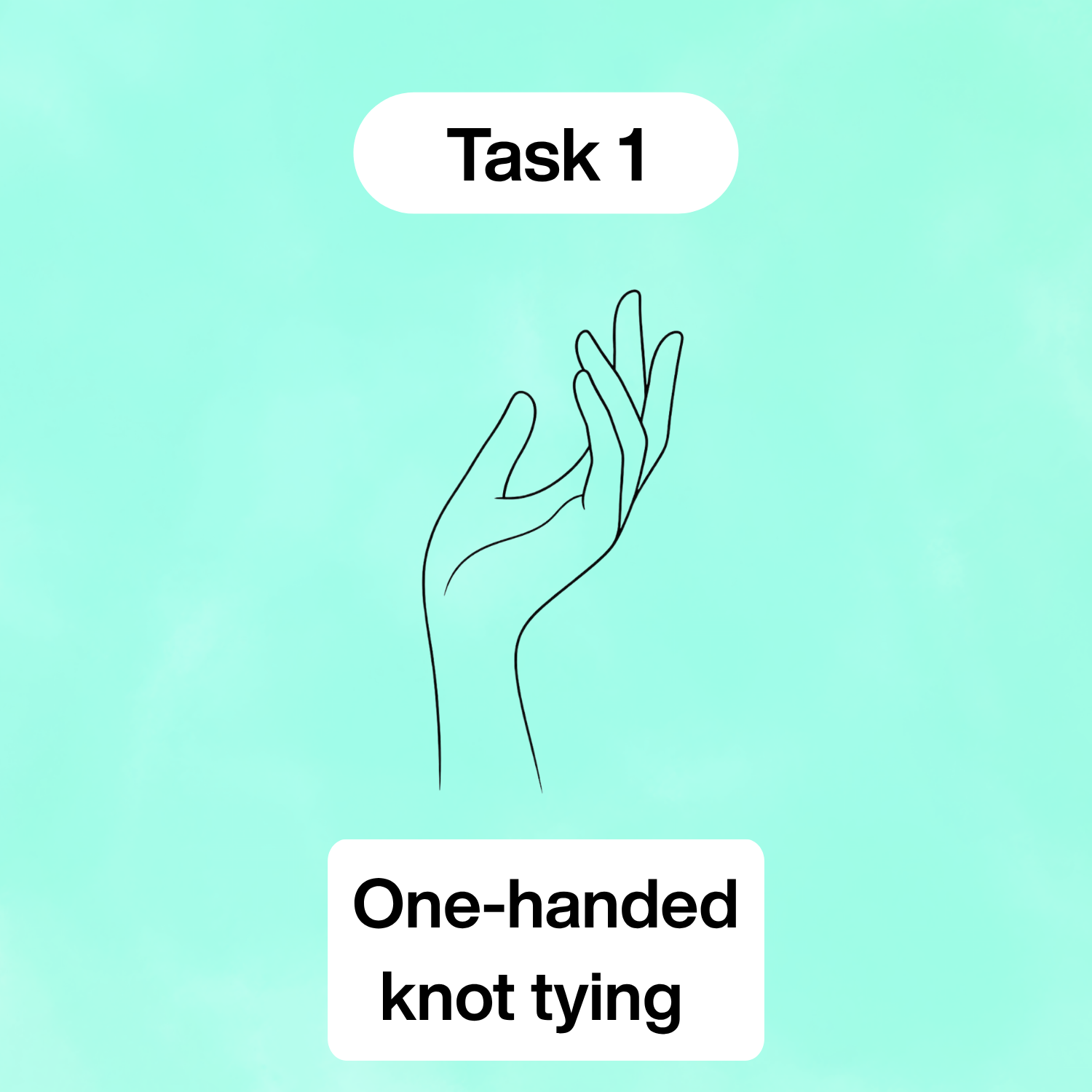 Image 6 of 11
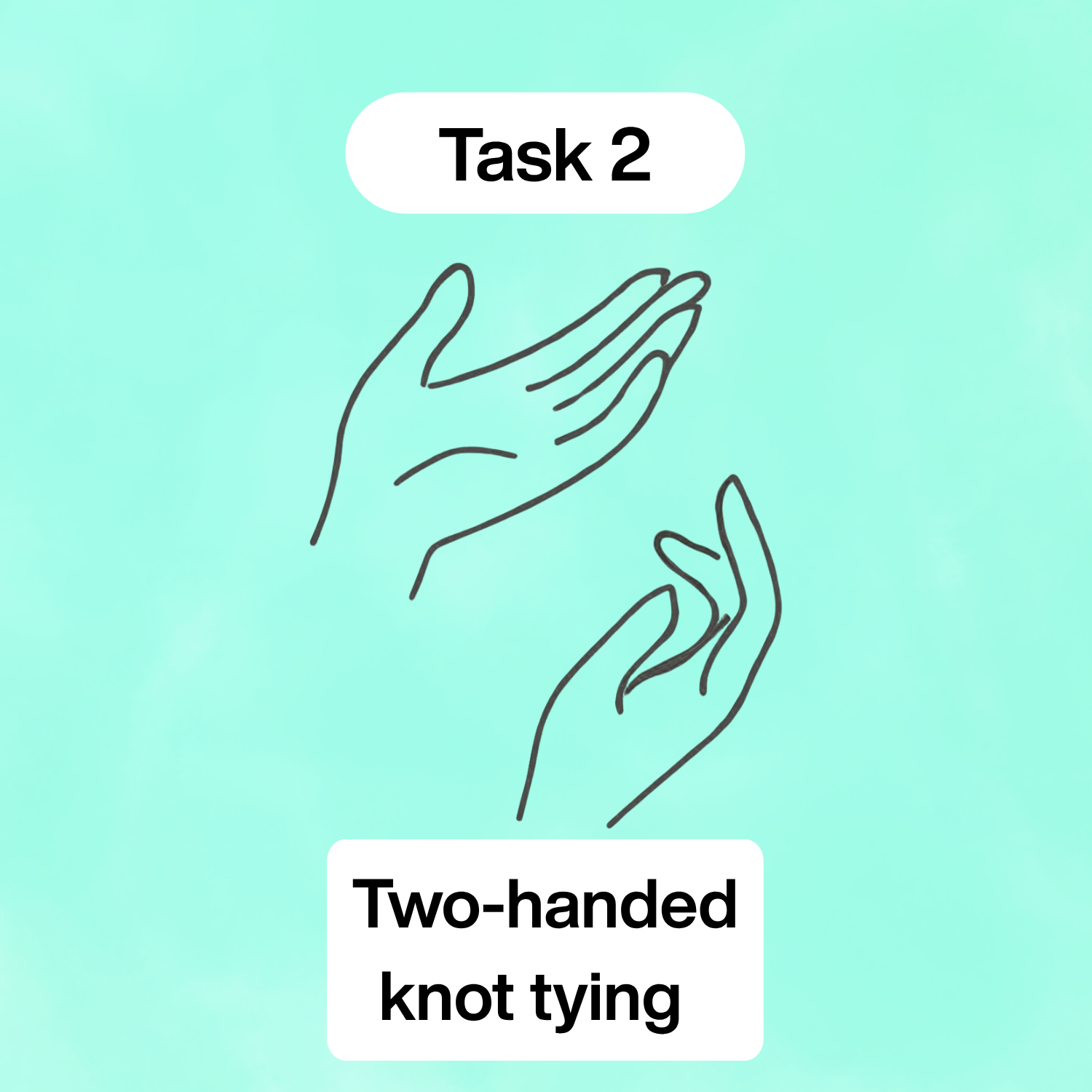 Image 7 of 11
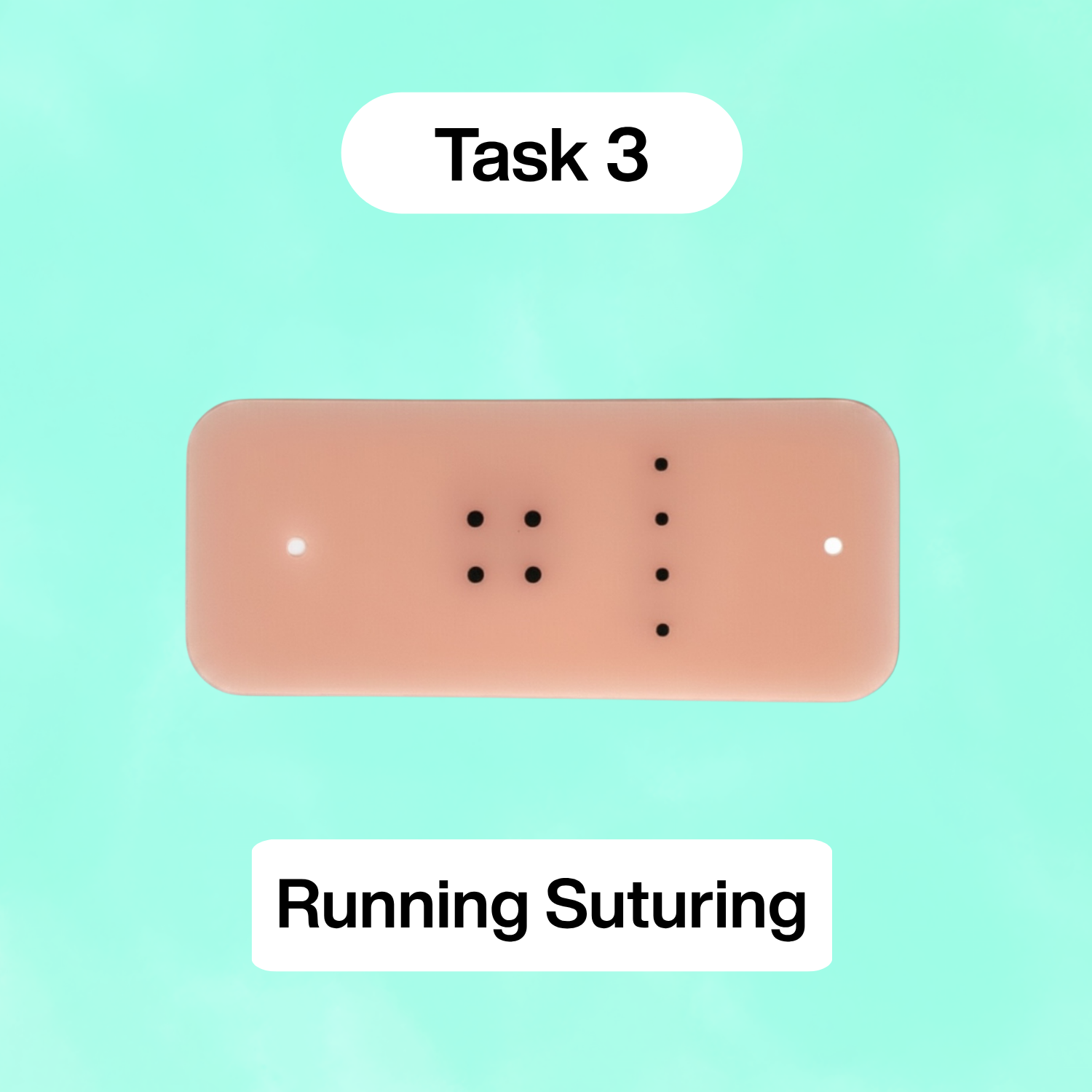 Image 8 of 11
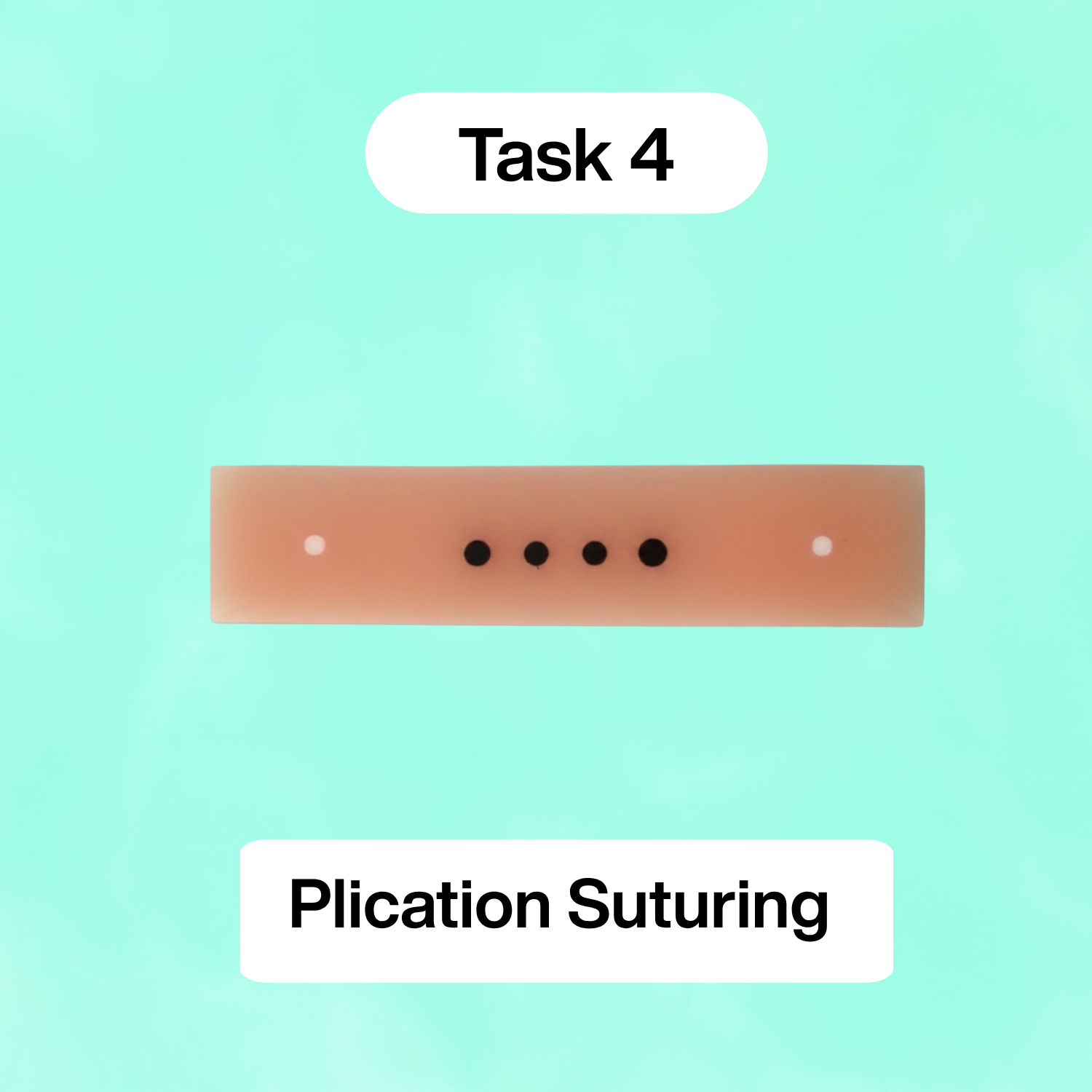 Image 9 of 11
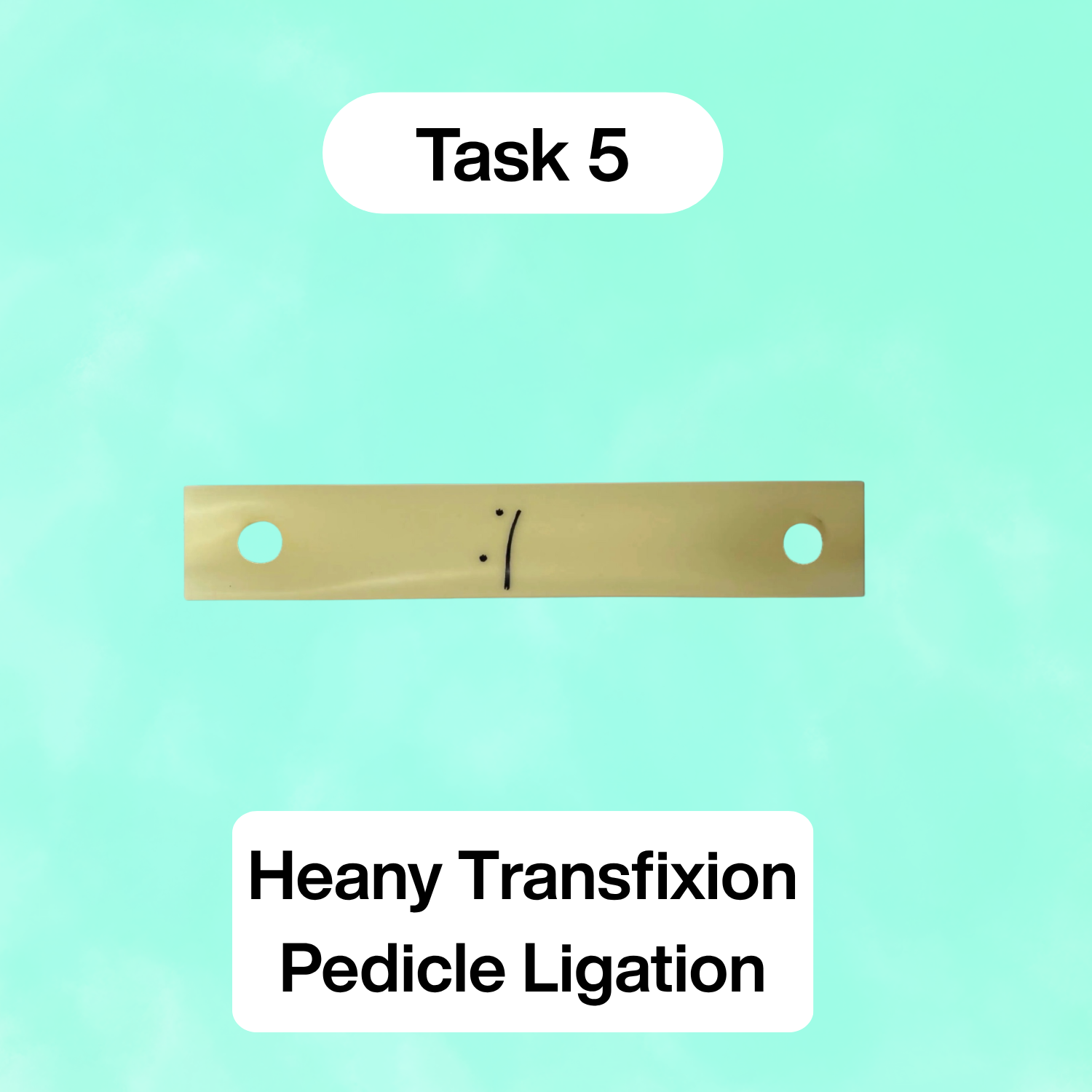 Image 10 of 11
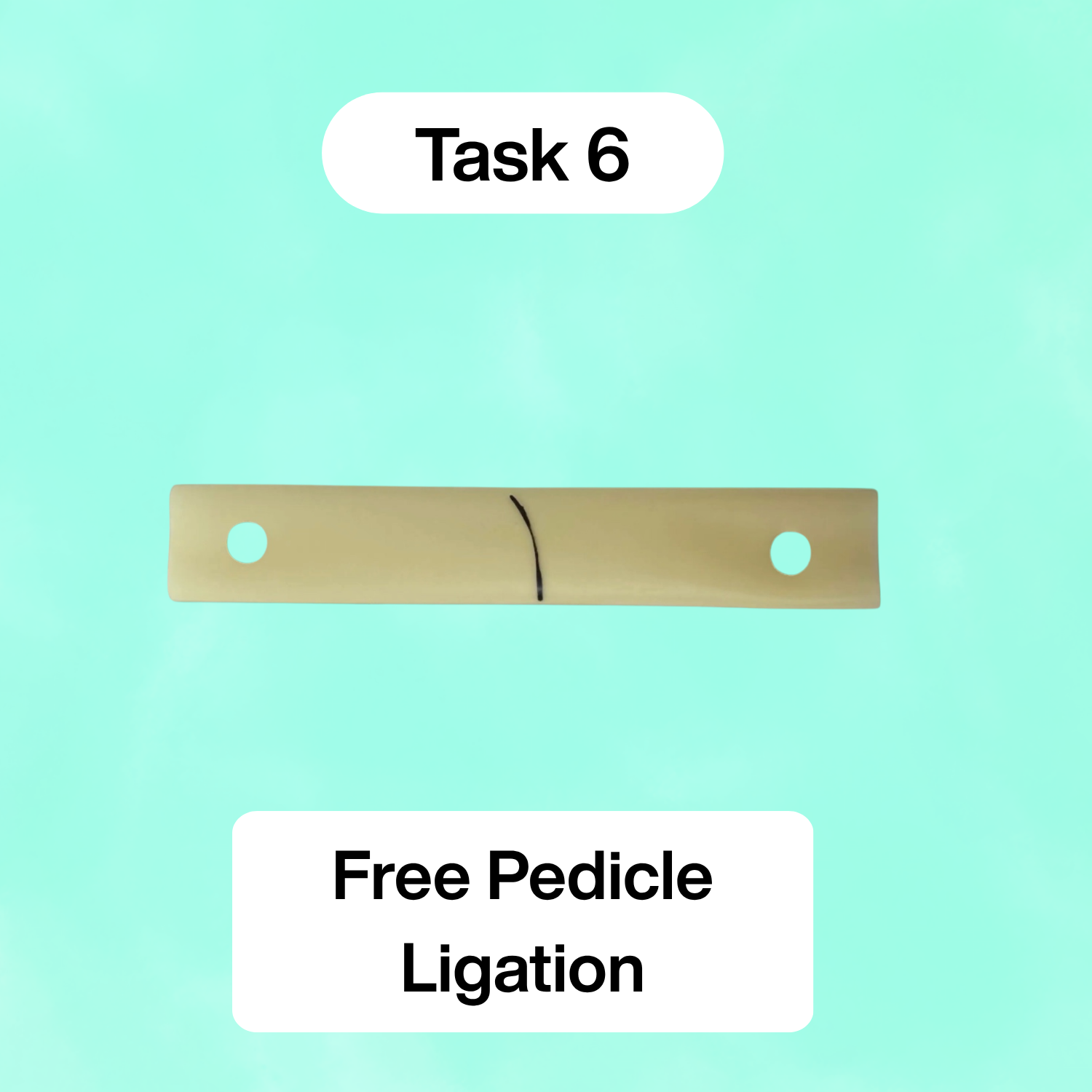 Image 11 of 11
The Skills
Six core skills. One trainer.
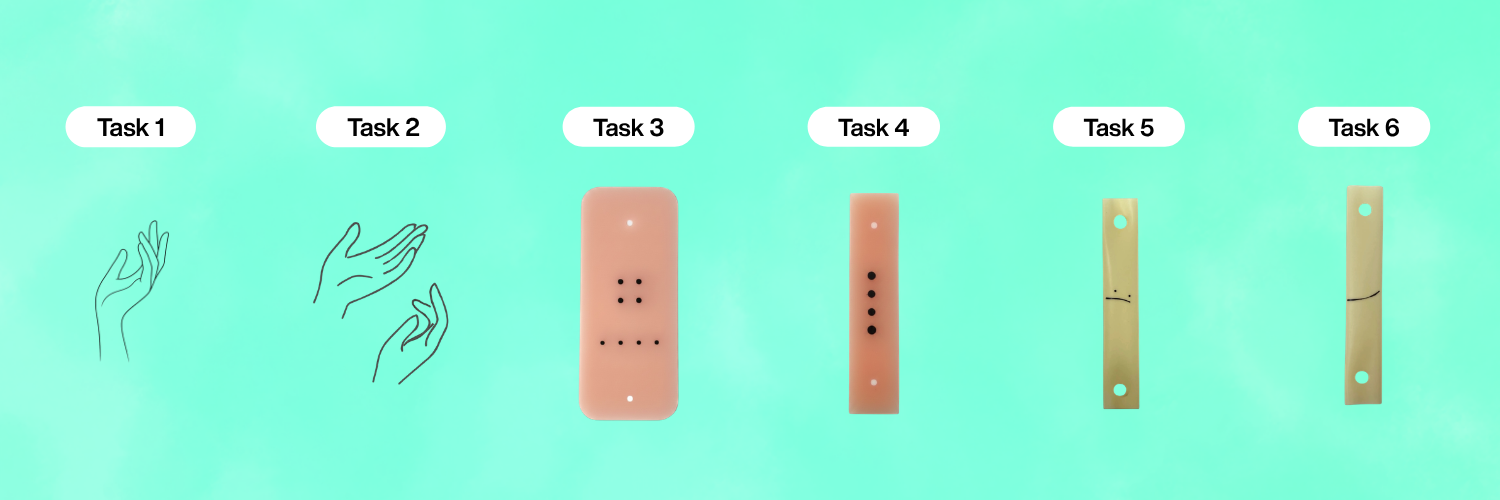
In the University of Michigan validation study, FVS scores reliably separated novices from experienced surgeons: every expert cleared the proficiency threshold and no novice did (Schmidt et al., AJOG 2021). The curriculum pairs each task with scoring rubrics, proficiency benchmarks, and video tutorials, so programs run structured, competency-based training instead of open-ended practice.

The System
Modular by design
Three parts stack to set the operative field. The width restrictor on top narrows the working aperture and comes in three skin tones, all replaceable as they wear. Below it, the spacer ring holds the field open at full depth so an instructor can watch the trainee's hands and needle angles from above; a simple twist removes it, dropping the field to a shallower depth for an easier rep. The cage underneath carries the silicone tissue insert for whichever task is being trained.
Four replaceable silicone insert types cover Tasks 3 through 6; the two knot-tying tasks use the trainer's hook and free tie. Replacement inserts are sold in packs of 10 per task, from $5 per insert, so a skills lab keeps training at a low cost per learner without repurchasing hardware. Order replacement insert packs here.
What's included: the vaginal surgery task trainer with adjustable positioning, width restrictors in all three skin tones, the validated FVS curriculum with assessment tools and video tutorials, and 20 starter inserts (5 of each of the 4 insert types). Ships from Ann Arbor, Michigan.
The Curriculum
A validated curriculum, not just a trainer.
FVS was designed from the start as a complete training system. The published pilot study defines it in three parts: the trainer itself, "a validated regimen of tasks to be performed on the trainer," and objective performance measures to determine proficiency (Schmidt et al., AJOG 2021). Every FVS System includes all three.
The curriculum "allows learners to focus on basic skills, rather than on an entire specific procedure."
— Schmidt & Fenner, OBG Management, 2022
The curriculum travels, too. FVS has been evaluated with OB/GYN residents in Accra, Ghana, supporting structured vaginal surgery training in low-resource settings (Bangura et al., International Urogynecology Journal, 2025).
The Team and the Evidence
Developed at the University of Michigan
FVS was created and validated by the Michigan Medicine team behind the published curriculum.
Peer-Reviewed Publications
Questions